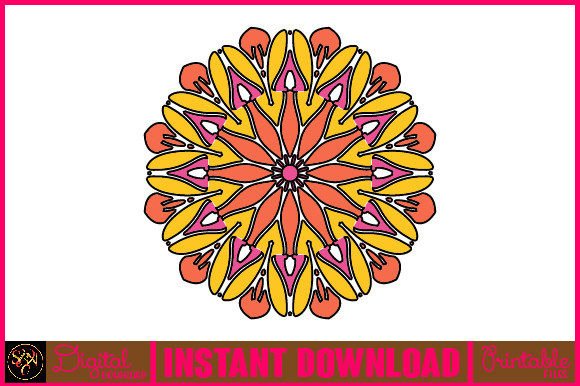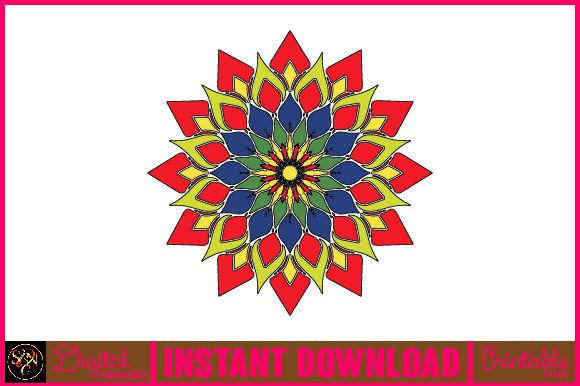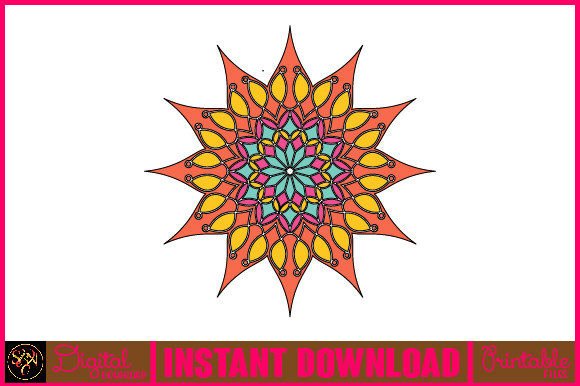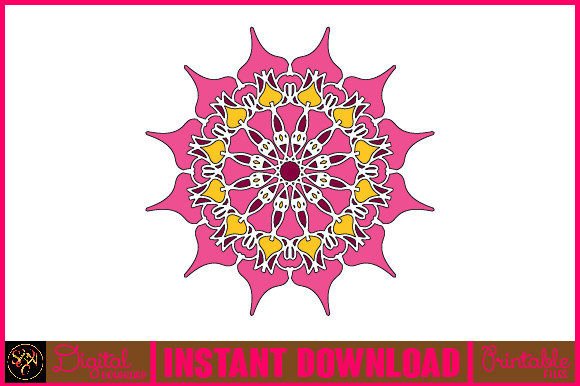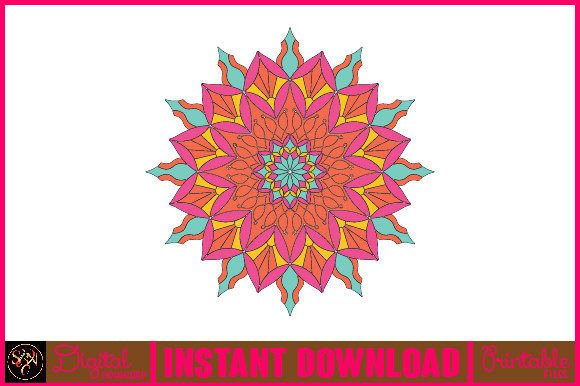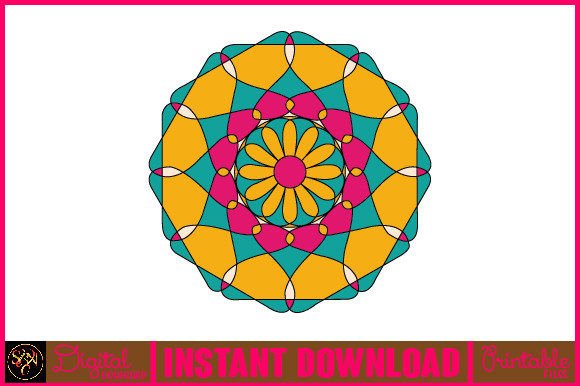
Mandala 3D Layered SVG Cut File-36
In the landscape of digital design and print-on-demand entrepreneurship, the transition from a static concept to a tangible product is often where efficiency meets creativity. For professionals, hobbyists, and small business owners alike, sourcing high-quality vector assets is not merely about aesthetics; it is about streamlining production workflows. Mandala 3D Layered SVG Cut File-36 represents a specific intersection of these needs: a complex, hand-drawn ornamental design optimized for both digital display and physical fabrication. Understanding how this file fits into broader creative processes—from social media marketing to apparel manufacturing—allows creators to maximize the utility of their asset library.
Understanding the Asset Structure
At its core, Mandala 3D Layered SVG Cut File-36 is a versatile graphic resource designed with precision in mind. The description highlights a "hand-drawn colorful mandala with tribal ornament," which suggests a design that balances organic artistic flair with structured geometric symmetry. However, the true value lies in its technical delivery. Unlike standard raster images that lose quality upon scaling, this asset is provided in formats that support infinite scalability and layer manipulation.
The inclusion of a 3D layered component implies that the design is not flat. In the context of cutting machines like Cricut or Silhouette, or even advanced vector editing software like Adobe Illustrator, layers allow designers to isolate specific elements of the mandala. This separation is crucial for creating depth effects, applying different color palettes to specific segments, or using parts of the design as standalone icons. For a workflow focused on consistency and brand identity, having a modular asset means you can adapt a single image to fit multiple contexts without needing to redraw or re-rasterize the source material.
Integration into Physical Production Workflows
One of the primary use cases for Mandala 3D Layered SVG Cut File-36 is in the realm of physical merchandise. Whether you are running a boutique t-shirt line, producing branded hoodies, or crafting custom canvas bags, the quality of the input file dictates the quality of the output. The availability of an EPS file and an SVG file ensures compatibility across a wide range of printing technologies.
- Apparel Printing: For screen printing or direct-to-garment (DTG) processes, the SVG format allows for clean vector paths that translate well to ink deposition. The layered nature of the file enables designers to separate colors efficiently, reducing the number of screens needed for multi-color prints and thereby lowering production costs.
- Cutting and Fabrication: If your workflow involves vinyl cutting for decals or fabric cutting for patches, the SVG is the industry standard. The precise coordinates within the vector file ensure that the cutting machine follows the intricate tribal ornaments without jagged edges or misalignment. This is particularly important for detailed mandala designs where fine lines must remain distinct.
- Home Decor and Stationery: Beyond clothing, this design is suitable for posters, stationary sets, and canvas art. The high-resolution JPG included in the package serves as a preview or a quick-reference bitmap for non-vector-based printers, ensuring that the visual intent is clear before finalizing the vector setup.
Digital Marketing and Social Media Applications
While physical products generate revenue, digital presence drives discovery. Mandala 3D Layered SVG Cut File-36 is equally potent in digital marketing workflows. In an era where attention spans are short, visually striking graphics are essential for capturing user interest on platforms like Instagram, Pinterest, and Facebook.
The "ornamental colorful" aspect of the design makes it ideal for social media banners and promotional flyers. Because the source files are scalable, a designer can take a section of the mandala to create a profile picture icon, while using the full circular composition for a featured post background. The PNG file, likely containing transparency, is particularly useful here, allowing the mandala to be overlaid onto various backgrounds without a harsh rectangular border. This flexibility supports a cohesive visual strategy, where branding elements are reused and repurposed efficiently across different channels.
Furthermore, for educators or bloggers creating downloadable resources, such as printable coloring pages or decorative templates, this vector asset provides a professional finish. The clean lines ensure that when users print these resources at home, the result is crisp and satisfying, enhancing the perceived value of the content being offered.
Implementation Tips for Creators and Entrepreneurs
To fully leverage Mandala 3D Layered SVG Cut File-36, it is helpful to view the download not just as a single image, but as a toolkit. Here are practical observations on how to integrate this asset smoothly into your existing systems.
File Organization and Naming Conventions
Upon downloading the ZIP file, immediate organization is key to long-term efficiency. Rename the files to reflect their content and format rather than relying on generic names like "file001.eps." A structured folder system—such as separating "Print Assets," "Web Graphics," and "Cut Files"—prevents version control issues later. Since the package includes EPS, SVG, JPG, and PNG, categorizing them by end-use helps streamline future projects. For instance, keep the SVG and EPS in a folder dedicated to print production, while storing the JPG and PNG in a folder for web design.
Color Management and Adaptability
The term "colorful" in the design description suggests vibrancy, but effective implementation requires managing color profiles. When moving from the digital RGB space (used for screens and social media) to the CMYK or spot color space (used for physical printing), colors may shift. Use the layered structure of the SVG to adjust individual elements' hues to match your brand guidelines. This process allows you to maintain the integrity of the mandala’s tribal ornamentation while adapting its palette to seasonal trends or specific product lines. For example, you might desaturate the colors for a minimalist poster series or amplify them for a summer festival flyer.
Leveraging the 3D Layered Aspect
Do not overlook the "3D layered" descriptor. In vector software, this typically means that overlapping shapes have been grouped or separated to allow for depth. Experiment with shadow effects, gradient overlays, or embossing filters on specific layers to create unique variations of the base design. This technique adds value by allowing you to generate multiple distinct assets from a single purchase, extending the lifecycle of the file in your creative inventory.
Compatibility and Technical Considerations
Before integrating Mandala 3D Layered SVG Cut File-36 into a project, verify the compatibility of your tools. Most modern design software, including Adobe Creative Cloud, Affinity Designer, and free alternatives like Inkscape, handle SVG and EPS files natively. For cutting machines, ensure that your firmware and software drivers are up to date to interpret the path data accurately.
If you are working with a team or outsourcing tasks, providing the original vector files (EPS/SVG) is superior to sending flattened images. It allows the recipient to make necessary adjustments without compromising quality. The inclusion of all four file types in the instant download package demonstrates a commitment to user convenience, covering scenarios where vector editing is unnecessary but a high-quality raster image is required.
Long-Term Value and Versatility
Investing in high-quality, layered vector assets like Mandala 3D Layered SVG Cut File-36 pays dividends over time. As business needs evolve, so do design requirements. A design that works for a t-shirt today might be perfectly suited for a phone case sticker tomorrow. The versatility of the mandala theme—rooted in cultural and aesthetic traditions of balance and complexity—ensures broad appeal across diverse audiences.
For freelancers and publishers, having a library of such adaptable assets reduces the time spent on research and creation, allowing more focus on client communication and strategic planning. It transforms the creative process from a bottleneck into a streamlined pipeline. By understanding the technical strengths of the SVG and EPS formats, and by organizing these assets effectively, creators can maintain consistency and professionalism in every touchpoint, whether digital or physical.
Ultimately, Mandala 3D Layered SVG Cut File-36 is more than a decorative image; it is a functional component of a modern creative workflow. Its layered structure, multi-format delivery, and intricate design offer the flexibility needed to meet the demands of today’s fast-paced digital and print environments. By approaching this asset with a mindset of integration and adaptation, users can unlock its full potential across a wide spectrum of applications.