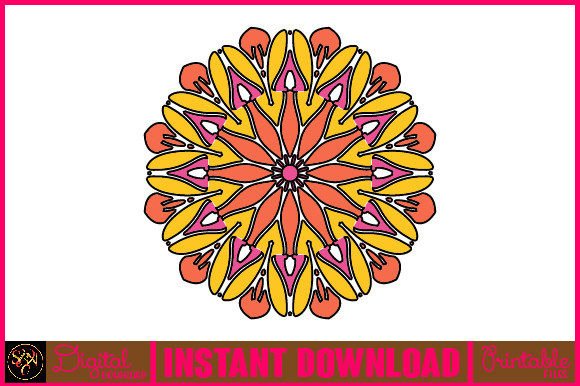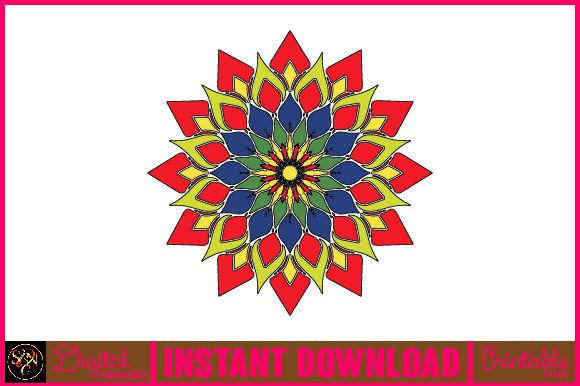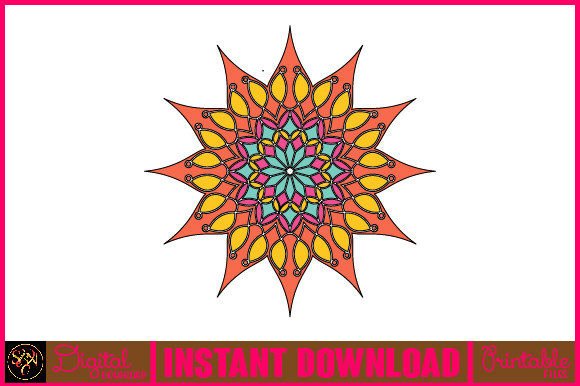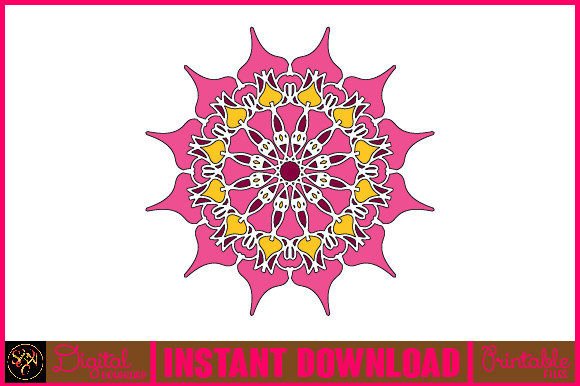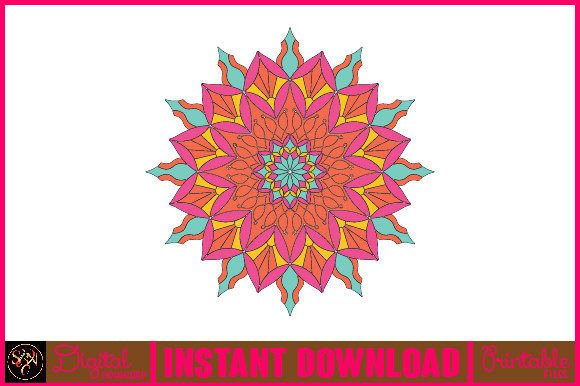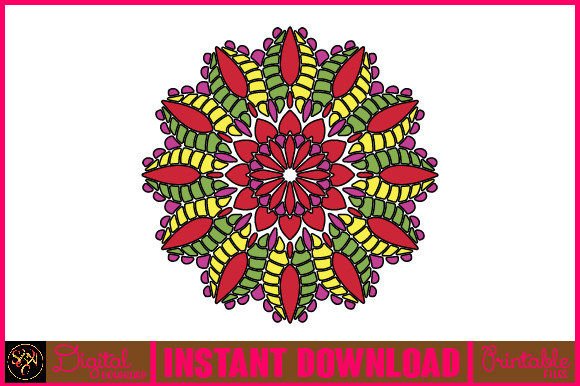
Mandala 3D Layered SVG Cut File-110
When you are looking to elevate your craft projects or commercial product lines, the difference between a mediocre result and a professional finish often comes down to the quality of the source file. Mandala 3D Layered SVG Cut File-110 represents a sophisticated solution for creators who want more than just a flat image. It is a hand-drawn, colorful mandala design featuring tribal ornaments that offers depth and complexity. However, simply downloading a file does not guarantee success. Many users overlook critical details regarding file compatibility, layer management, and intended application, which can lead to wasted time, material costs, and frustrating results.
This article provides a practical guide to understanding what this specific cut file offers, how to avoid common pitfalls during production, and why proper preparation is essential for achieving the "beautiful" aesthetic described in the product listing. Whether you are a seasoned entrepreneur selling on Etsy or a hobbyist making personalized gifts, reading through these insights will help you make informed decisions before you start cutting or printing.
Understanding the Value of Layered Vector Files
One of the most significant advantages of choosing a layered SVG over a standard raster image (like a basic JPG) is control. The Mandala 3D Layered SVG Cut File-110 is not merely a single graphic; it is a structured composition. This structure allows you to manipulate individual elements—such as the outer tribal rings or the central ornamental motifs—separately. This capability is crucial for several reasons:
- Customization: You can change colors of specific layers to match brand guidelines or personal preferences without redrawing the entire image.
- Depth Creation: By separating layers, you can create true 3D effects using paper quilling, vinyl layering, or digital compositing.
- Scalability: As an SVG (Scalable Vector Graphics) file, the design remains crisp at any size, from a small sticker on a laptop to a large banner for social media.
However, beginners often assume that all vector files work the same way. A common mistake is opening an SVG in software that does not support complex layer structures, such as certain basic online editors or older versions of cutting machine software. Always ensure your software (like Adobe Illustrator, Inkscape, Cricut Design Space, or Silhouette Studio) is up to date and capable of handling multi-layered vectors.
Pitfalls in Application: Print vs. Cut
The product description highlights versatility: the design is ready for printing on t-shirts, hoodies, mugs, and canvas bags, as well as for use in digital marketing like social media banners and flyers. While this flexibility is appealing, it introduces potential errors if the workflow is not adapted to the medium.
The Vinyl Cutting Misconception
If you intend to use Mandala 3D Layered SVG Cut File-110 with a physical cutter (like a Cricut or Silhouette), you must understand the concept of "weeding." Complex mandalas with intricate tribal details can be difficult to weed if the negative space is too small. A frequent error is attempting to cut extremely fine details in thin vinyl, which often leads to tearing or misalignment.
To avoid this:
- Simplify Before Cutting: Use the layer separation feature to delete unnecessary inner details if they are too fragile for your chosen material.
- Check Line Weight: Ensure the stroke width of the paths is appropriate for your blade sensitivity. Too-thin lines may not register correctly with the sensor.
- Test Cut: Always perform a test cut on a scrap piece of material to verify alignment and pressure settings.
The Digital Print Oversaturation Issue
For those using the file for sublimation on apparel or printing on posters, the vibrant, colorful nature of the hand-drawn design is a major asset. However, screen color profiles (RGB) differ significantly from print color profiles (CMYK). A mistake many marketers and small business owners make is designing directly on their monitor and expecting exact color matches on fabric or paper.
The included JPG and PNG files provide a visual reference, but they are likely in RGB format. When preparing for professional printing:
- Convert to CMYK: If your printer requires it, convert the SVG elements to CMYK to prevent neon colors from appearing muddy or dull.
- Resolution Check: While SVGs are infinite resolution, if you export them to PNG for web use, ensure the DPI (dots per inch) is set to 72 for screens or 300 for high-quality proofs.
Evaluating the File Package for Efficiency
The download package includes one EPS file, one SVG file, one JPG file, and one PNG file. Understanding the role of each file type prevents confusion and ensures you have the right tool for every job. Ignoring the full contents of the ZIP file can limit your creative options.
EPS Files: These are excellent for professional graphic design workflows. If you plan to integrate the mandala into a larger brochure or business card layout in Adobe Illustrator or CorelDRAW, the EPS file ensures compatibility with industry-standard tools. Some users mistakenly try to open EPS files in cutting machine software without converting them first, which can cause errors. Always import EPS files carefully.
JPG and PNG Files: These are raster formats. They are perfect for quick previews, social media posts, or when you need a transparent background (PNG) for overlaying designs on other images. A common oversight here is ignoring the transparency in the PNG file. If you place the PNG on a dark-colored t-shirt mockup without ensuring the background is transparent, you might end up with a white box around your colorful mandala, ruining the aesthetic.
Instant Download Realities
The promise of an instant download is convenient, but it shifts the responsibility of verification onto the buyer. Unlike physical goods, you cannot return a digital file if it is corrupted or incompatible with your needs. Before assuming the file is perfect for your project:
- Open Every File: Do not just look at the preview image. Open the SVG and EPS in your preferred software to check for broken links or missing fonts.
- Verify Layer Names: Well-organized layers make editing much faster. Check if the layers are named logically (e.g., "Outer Ring," "Center Detail") rather than generic names like "Group 1."
- Check Complexity: Scroll through the layers panel. If there are thousands of overlapping paths, your computer may lag during editing. Simplify the path data if necessary.
Strategic Uses Beyond Basic Crafts
While stickers and t-shirts are obvious applications, savvy entrepreneurs can leverage Mandala 3D Layered SVG Cut File-110 for higher-margin products. Consider using the layered aspect to create custom packaging inserts. By printing the mandala on cardstock and using the separate layers to create a die-cut window effect, you add perceived value to your handmade goods.
Furthermore, educators and bloggers can use the clean vector lines for printable worksheets or coloring pages. The hand-drawn style adds warmth and approachability compared to rigid geometric shapes. However, remember to adjust line thicknesses for younger children who may find intricate tribal patterns difficult to color within the lines.
Final Recommendations for Success
To get the most out of Mandala 3D Layered SVG Cut File-110, treat it as a modular toolkit rather than a static image. Plan your project based on the medium you are using. If you are cutting vinyl, prioritize durability and simplicity. If you are printing digitally, prioritize color accuracy and resolution. If you are designing for social media, leverage the vibrant colors and scalable nature of the vector format.
Always take the time to explore the layers. This extra step of five minutes can save hours of frustration later. If you encounter issues with file compatibility or have specific questions about how to adapt the tribal ornaments for a unique project, reaching out to the creator is a smart move. Most designers are happy to assist, ensuring that your final product reflects the beautiful intent of the original design.
By avoiding these common technical and creative mistakes, you ensure that your investment in this cut file translates into high-quality, satisfying results, whether you are decorating your home or building a thriving small business.