Evaluating Mandala 3D Layered SVG Cut File-90 for Versatile Design Projects
For designers, crafters, and small business owners, the search for high-quality vector assets often leads to a complex landscape of formats, styles, and licensing structures. Among the various options available, Mandala 3D Layered SVG Cut File-90 presents a specific solution that blends traditional ornamental aesthetics with modern digital utility. This asset is not merely a static image; it is a multi-layered design intended for precision cutting, printing, and digital application. Understanding its capabilities requires looking beyond the visual appeal to examine its technical specifications, versatility across mediums, and how it fits into broader creative workflows.
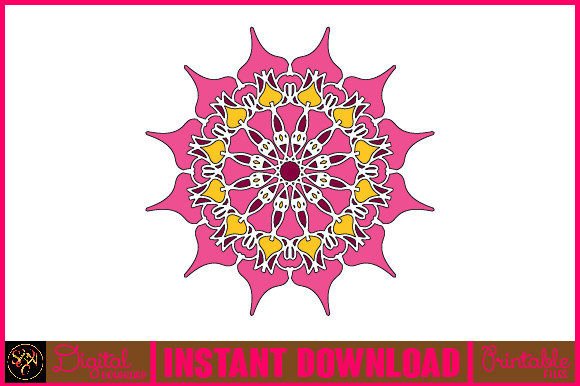
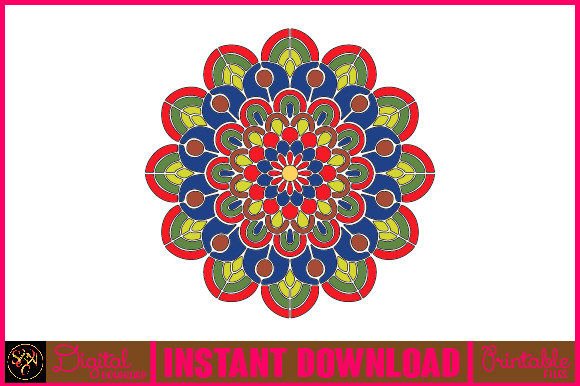
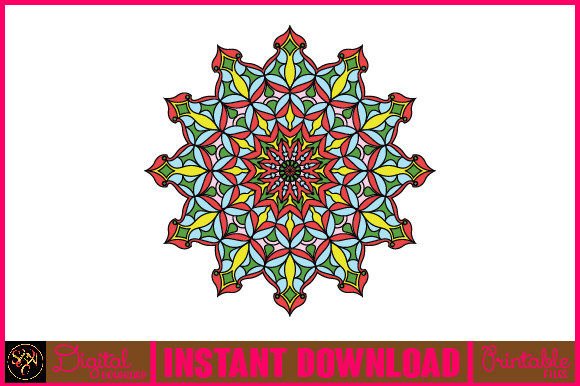
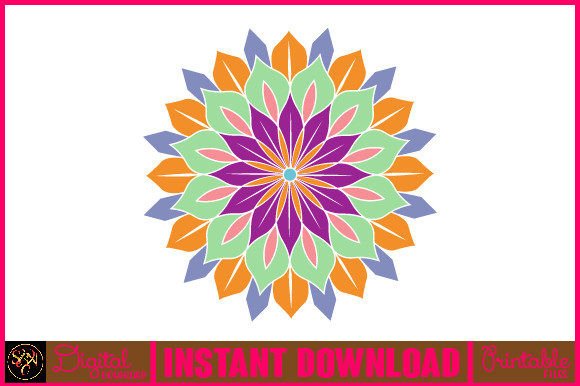
The core value of this file lies in its dual nature as both a hand-drawn artistic piece and a functional cut file. The design features a colorful mandala with tribal ornaments, offering an ornamental aesthetic that appeals to those seeking intricate, culturally inspired patterns. However, what distinguishes Mandala 3D Layered SVG Cut File-90 from standard clipart is its structural integrity. It is built with layers that allow for depth and dimensionality when processed through cutting machines or layered printing techniques. This makes it particularly relevant for users who need more than a flat graphic—they require a design that can adapt to physical products like t-shirts, hoodies, and canvas bags, as well as digital spaces such as social media banners and flyers.
Technical Composition and Format Versatility
One of the primary considerations when selecting a digital asset is the range of file formats provided. Mandala 3D Layered SVG Cut File-90 addresses this by offering a comprehensive package included in a single ZIP download. This immediate availability reduces friction in the production process, allowing creators to move from concept to execution without waiting for separate deliveries or conversions. The package includes four distinct file types: one EPS file, one SVG file, one JPG file, and one PNG file. Each format serves a specific purpose in the design pipeline.
- SVG (Scalable Vector Graphics): This is the critical format for users operating cutting machines like Cricut or Silhouette. The SVG file retains the layer information, enabling the machine to read the different components of the mandala separately. This is essential for creating "3D" effects where certain elements are cut from different materials or colors and then assembled.
- EPS (Encapsulated PostScript): Preferred by professional graphic designers using Adobe Illustrator or CorelDRAW, the EPS file ensures high-fidelity scalability. It allows for extensive editing of paths and colors while maintaining vector quality, making it ideal for large-format prints like posters or banners where pixelation must be avoided.
- PNG and JPG: These raster formats provide immediate visual reference and usability for non-vector software. The PNG version typically includes transparency, which is useful for placing the design over other backgrounds in photo editing tools or web design. The JPG offers a compressed, universally compatible preview for quick checks or low-resolution digital uses.
This multi-format approach contrasts with many competitors who offer only a single file type, forcing users to rely on third-party conversion tools that may degrade quality or lose layer data. By providing all necessary formats, Mandala 3D Layered SVG Cut File-90 caters to a wider audience, from hobbyists using simple cutting plotters to professional printers managing complex job files.
Application Scenarios and Material Suitability
The utility of Mandala 3D Layered SVG Cut File-90 extends across a diverse array of applications. Its hand-drawn, colorful style with tribal ornamentation makes it suitable for products that benefit from a bohemian, spiritual, or artisanal vibe. When evaluating whether this design fits a specific project, it is helpful to consider the end product's material and function.
In the realm of apparel, the design works exceptionally well for screen printing on cotton t-shirts, hoodies, and tote bags. The vibrant color palette translates well to fabric inks, and the layered structure allows for creative texturing if used in combination with heat transfer vinyl (HTV). For instance, a crafter might use the SVG layers to create a gradient effect by cutting the mandala sections from different shades of vinyl and adhering them sequentially. Similarly, for stationary items like notebooks or planners, the intricate details of the tribal ornaments add visual interest without overwhelming the page layout.
Digital applications also present strong use cases. Social media banners and online advertisements require images that are eye-catching yet load quickly. The provided JPG and PNG files meet these needs, while the vector files ensure that any resizing for different platform dimensions does not result in blurriness. Furthermore, the design’s suitability for stickers—applied to laptops, phones, and water bottles—highlights its adaptability to small-scale, high-detail outputs. The clean lines typical of good cut files ensure that even small sticker versions remain legible and crisp.
Comparative Analysis: Layered vs. Flat Designs
When comparing Mandala 3D Layered SVG Cut File-90 to standard flat mandala designs, several tradeoffs become apparent. Flat designs are generally simpler to produce and require less setup time. They are ideal for quick projects where depth is unnecessary, such as simple background textures or basic monochrome prints. However, they lack the tactile and visual richness that layered designs offer.
The "3D" aspect of this file implies a level of complexity that demands more from the user. Creating a true layered effect requires careful alignment during the cutting and assembly process. If the layers are not perfectly aligned, the final product may appear misaligned or messy. Therefore, while Mandala 3D Layered SVG Cut File-90 offers superior aesthetic potential, it requires a higher degree of skill and patience compared to flat alternatives. Users should assess their own technical proficiency before committing to a layered workflow.
Additionally, cost and resource usage differ between the two approaches. Layered designs often consume more material because multiple cuts are required for a single image. In contrast, a flat design might be printed once on a single sheet of material. For budget-conscious creators producing high volumes of simple items, a flat design might be more economical. However, for premium products where uniqueness and detail drive perceived value, the investment in a layered file like Mandala 3D Layered SVG Cut File-90 is justified.
Decision Factors and Best-Fit Situations
Selecting the right design asset depends on aligning the tool with the project goals. Mandala 3D Layered SVG Cut File-90 is best suited for individuals or businesses that prioritize customization and premium finishes. It is an excellent choice for:
- Custom Apparel Brands: Those looking to create limited-edition runs with unique, textured graphics.
- Craft Entrepreneurs: Sellers on platforms like Etsy who compete on the basis of intricate, handmade quality.
- Digital Marketers: Professionals needing versatile assets that look good on both web and print media.
Conversely, readers seeking simple, one-step solutions for mass-produced, low-cost items might find this file overly complex. If the goal is rapid deployment with minimal post-processing, a pre-rasterized image or a single-path SVG might be more efficient. Furthermore, users working exclusively within rigid corporate branding guidelines that prohibit complex, colorful, or tribal motifs would likely find this design stylistically mismatched.
Conclusion on Utility and Accessibility
The strength of Mandala 3D Layered SVG Cut File-90 lies in its accessibility and comprehensive packaging. By including instant download capabilities and a full suite of vector and raster formats, it removes common barriers to entry for digital crafting. The hand-drawn aesthetic provides a timeless appeal that resonates with current trends in bohemian and ethnic-inspired design. While it demands a bit more technical effort than flat alternatives, the resulting depth and detail offer a competitive edge in crowded marketplaces.
Ultimately, the decision to use this file should be guided by the desired outcome. If the project requires a striking, multi-dimensional visual element that can bridge the gap between physical crafts and digital media, this mandala design stands out as a robust option. For those willing to engage with its layered structure, it provides a versatile foundation for creating high-quality, personalized products across a wide spectrum of applications.